 by
by Introduction: The World Is Being Built—And Skilled Workers Are in Demand
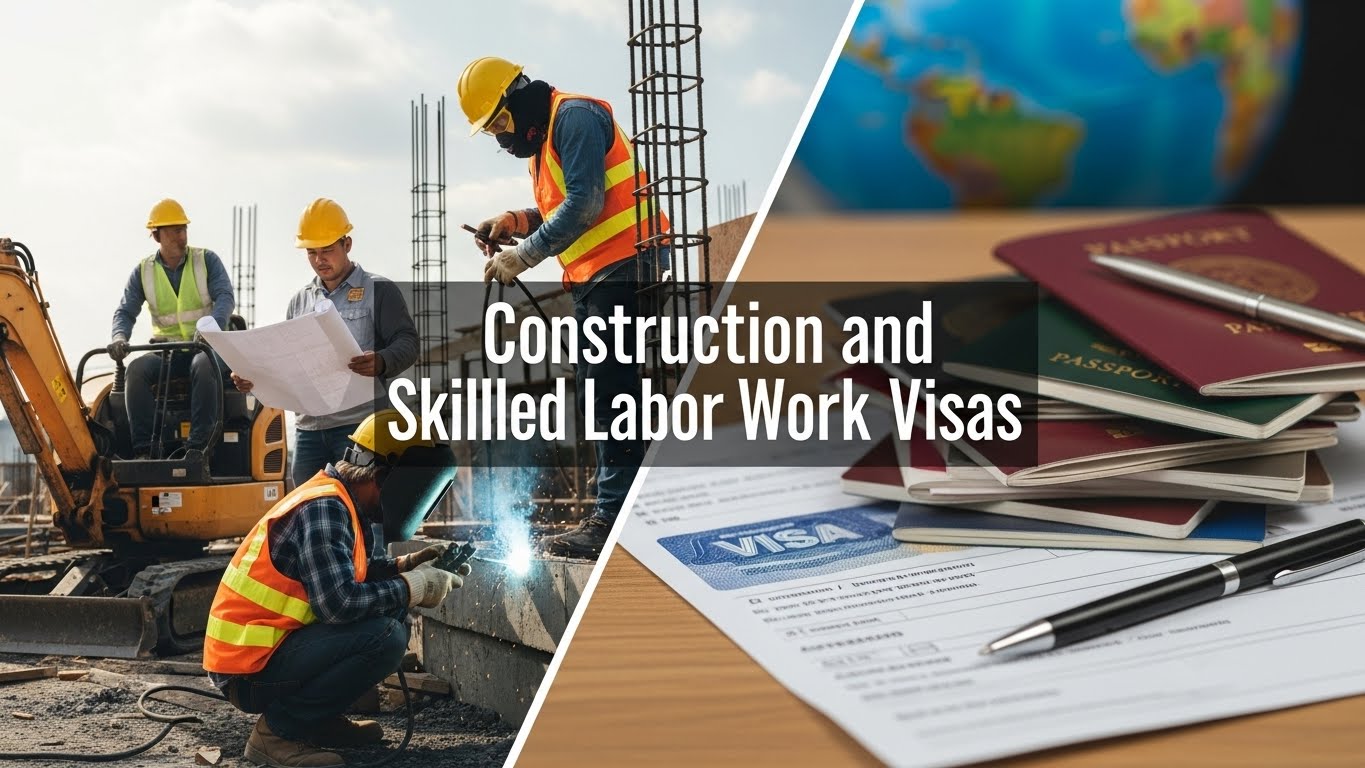
Skyscrapers rise, roads stretch across continents, and cities expand faster than ever before. Behind every structure is a skilled worker—often from another country—laying bricks, welding steel, or wiring the future. Today, construction and skilled labor work visas are among the most accessible pathways for foreign workers seeking stable income, global experience, and long-term opportunity abroad.
In this guide, you’ll learn where the demand is strongest, how visa programs work, and how skilled workers can turn hands-on expertise into an international career.
Why Construction Workers Are Globally Needed
Across developed and developing economies alike, construction and skilled trades face a growing labor shortage. Aging workforces, massive infrastructure projects, and rapid urbanization have outpaced local labor supply.
Over the last decade, governments have responded by opening immigration channels specifically for skilled trades—recognizing that modern economies cannot grow without builders, technicians, and craftspeople.
What Are Construction and Skilled Labor Work Visas?
Construction and skilled labor work visas allow foreign workers with practical trade skills to legally work on infrastructure, housing, industrial, and commercial projects abroad. These visas are typically employer-sponsored and tied to specific occupations.
Common Roles Covered
- Carpenters and joiners
- Electricians and plumbers
- Welders and metal fabricators
- Masons and bricklayers
- Heavy equipment operators
- HVAC and mechanical technicians
Many programs value experience over formal degrees, making them accessible to hands-on professionals.
Top Countries Offering Construction and Skilled Labor Work Visas
1. Canada
Canada’s construction boom continues nationwide.
Why Canada attracts skilled workers:
- Trades included in skilled immigration programs
- Provincial nominee pathways
- Strong wages and labor protections
Skilled workers can transition from temporary permits to permanent residency.
2. Australia
Australia faces chronic shortages in construction trades.
Key advantages:
- Skilled Occupation List includes trades
- High demand in infrastructure and housing
- Regional migration incentives
Licensed tradespeople earn some of the highest wages globally.
3. Germany
Germany’s industrial strength relies heavily on skilled labor.
Why Germany stands out:
- High demand for electricians, welders, and mechanics
- Work visas for vocational trades
- Structured integration programs
Language training is often required, but job security is strong.
4. United Kingdom
The UK construction sector depends on foreign labor.
What makes the UK attractive:
- Skilled Worker visa includes construction roles
- Large-scale housing and transport projects
- Employer-sponsored routes
Certifications may need UK recognition.
5. Gulf Countries (UAE, Saudi Arabia, Qatar)
Major infrastructure projects drive constant demand.
Why workers choose the Gulf:
- Tax-free income
- Employer-sponsored visas
- Large construction megaprojects
While long-term residency is limited, earnings potential is high.
Eligibility Requirements You Should Expect
Though requirements vary by country, most construction and skilled labor work visas require:
- Proven trade experience
- Employer job offer
- Trade certification or skills assessment
- Medical fitness and background checks
Some countries require licensing exams or trade equivalency assessments.
Salaries and Working Conditions
Construction and skilled labor wages differ by location and trade.
General trends:
- Developed countries offer higher pay and worker protections
- Specialized trades earn more
- Overtime and project-based bonuses are common
In many regions, skilled laborers earn more abroad than in their home countries.
A Practical Case Study
A welder with eight years of experience secures an employer-sponsored role in Australia. After skills assessment and licensing, full-time employment begins. Within four years, permanent residency is granted, allowing family reunification and long-term stability.
This pathway reflects how trade skills can open global doors.
Challenges to Be Prepared For
- Licensing and trade recognition delays
- Physically demanding work
- Cultural and workplace adjustment
- Safety standards that differ by country
Preparation and proper documentation reduce these risks significantly.
Common Mistakes to Avoid
- Using unverified recruiters
- Ignoring local safety and licensing laws
- Accepting informal contracts
- Underestimating language requirements
Legitimate pathways always involve written contracts and official visas.
Key Takeaways
- Construction and skilled labor work visas address global shortages
- Trade experience is often more important than formal education
- Employer sponsorship is essential
- Many programs lead to permanent residency
- Proper licensing improves earnings and stability
Conclusion: Building More Than Structures—Building Futures
Construction and skilled labor work visas do more than move workers across borders—they build livelihoods, families, and futures. In a world constantly under construction, skilled hands remain priceless.
If this guide helped clarify your options, explore related content, share your thoughts, or start planning your journey. Sometimes, the strongest foundation you build is your own future abroad.