 by
by Introduction: The Opportunity Hidden in the Fields
For generations, farm work has been one of the most reliable ways for international workers to access legal employment abroad. While it may not come with skyscrapers or office desks, it offers something equally powerful: a legal work visa, steady income, and international experience.
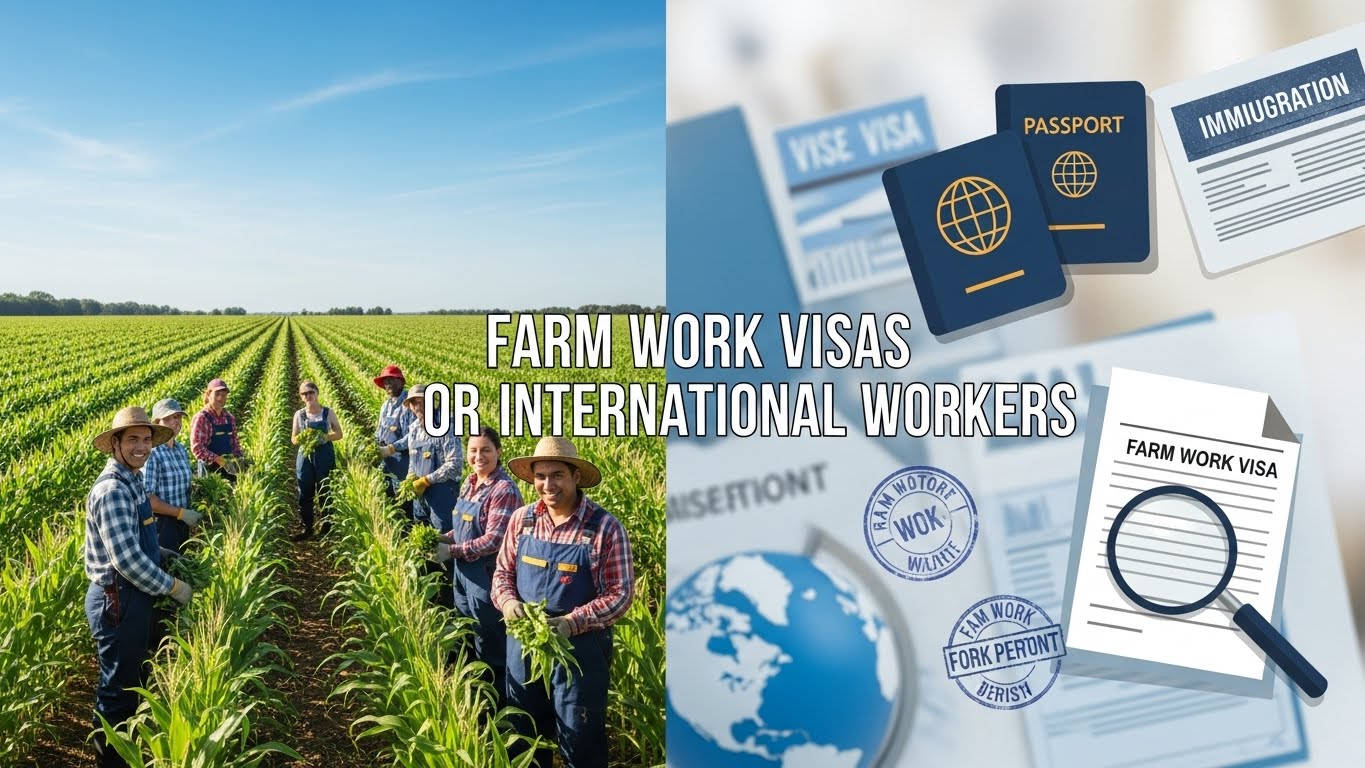
This guide explains farm work visas for international workers, showing how they work, which countries offer them, what requirements you need to meet, and how agricultural jobs often become the first step toward long-term opportunities abroad.
Why Countries Offer Farm Work Visas
Agriculture is essential, but local labor shortages are a global problem. Seasonal harvests, aging rural populations, and declining interest in manual labor have pushed many countries to depend on foreign workers to sustain food production.
To address this, governments created farm and agricultural work visas—structured programs that allow international workers to fill labor gaps legally while protecting local labor markets. These visas are practical, affordable, and often faster to obtain than skilled work visas.
What Are Farm Work Visas?
Farm work visas are legal permits that allow foreign nationals to work in agriculture-related jobs. These visas are usually:
- Employer-sponsored
- Seasonal or temporary
- Time-limited (from a few months to a few years)
Some programs allow renewals, repeat participation, or pathways to longer-term visas.
Types of Farm Work Covered
Farm work visas commonly include roles such as:
- Crop harvesting
- Fruit picking and packing
- Dairy and livestock care
- Greenhouse work
- Farm machinery assistance
Most roles do not require advanced qualifications, making them accessible to a wide range of workers.
Top Countries Offering Farm Work Visas
1. United States
The U.S. operates one of the largest agricultural visa programs.
Key features:
- Seasonal farm work opportunities
- Employer-sponsored visa system
- Demand peaks during planting and harvest seasons
These roles support crops, livestock, and food processing.
2. Canada
Canada offers agricultural work permits through structured programs.
Why Canada is popular:
- Strong worker protections
- Competitive wages
- Clear application processes
Many workers return year after year under repeat contracts.
3. United Kingdom
The UK runs a seasonal agricultural worker program.
Highlights include:
- Legal farm employment
- Fixed-term contracts
- Accommodation often provided
The program focuses on fruit, vegetable, and horticultural work.
4. Australia
Australia relies heavily on farm labor for its agriculture sector.
Key advantages:
- Well-regulated farm work programs
- Competitive hourly wages
- Opportunity to extend stays through regional work
Farm work can sometimes support future visa eligibility.
5. New Zealand
New Zealand’s agricultural sector welcomes international workers.
Why it stands out:
- Seasonal harvest roles
- Clear employer obligations
- Strong labor protections
Work is often linked to horticulture and viticulture.
6. Germany
Germany offers agricultural work permits, particularly for seasonal roles.
Benefits include:
- Legal short-term work
- Strong worker rights
- Opportunities across farming regions
Germany’s system emphasizes compliance and safety.
7. Spain
Spain regularly hires international farm workers.
Why Spain is accessible:
- Seasonal demand
- Employer-sponsored visas
- Lower living costs in rural areas
Basic Requirements for Farm Work Visas
While requirements vary by country, most farm work visas require:
- A valid job offer from an approved employer
- Proof of physical fitness for manual work
- Clean criminal record
- Valid passport
- Willingness to work seasonally
Language requirements are often minimal.
How to Apply for a Farm Work Visa
Step 1: Find an Approved Employer
Only approved or registered employers can sponsor farm work visas. Avoid unverified agents.
Step 2: Secure a Job Offer
A formal job offer is essential before applying for most agricultural visas.
Step 3: Apply for the Visa
Submit required documents, attend interviews if needed, and complete medical checks.
Step 4: Travel and Start Work
Once approved, travel according to your visa conditions and begin employment.
Costs and Earnings: What to Expect
Farm work visas are among the most affordable work visas available.
Typical costs include:
- Visa application fees
- Medical exams
- Travel expenses
Many employers provide housing or transportation, reducing living costs.
Real-Life Example: A Practical Entry Point
An international worker joins a seasonal fruit-picking program in Australia. The income covers living expenses and allows savings. After completing the contract, the worker returns for another season, building a reliable income stream and international work history.
Farm work visas often serve as stepping stones, not final destinations.
Common Challenges and How to Handle Them
- Physically demanding work → prepare mentally and physically
- Seasonal nature → plan finances carefully
- Rural locations → research accommodation in advance
Preparation ensures a smoother experience.
Avoiding Farm Work Visa Scams
Be cautious of:
- Agents asking for large upfront fees
- Job offers without official contracts
- Employers not listed on government programs
Always verify through official channels.
Key Takeaways
- Farm work visas fill critical labor shortages
- They offer legal, affordable access to work abroad
- Minimal qualifications are required
- Many countries run structured seasonal programs
- They can lead to repeat or extended opportunities
Conclusion: Honest Work, Real Opportunity
Farm work visas for international workers offer more than temporary employment—they provide legal access, income, and global exposure. For many, they represent the first practical step into international work, opening doors that once felt unreachable.
If you’re seeking a legal and realistic way to work abroad, explore related guides, share your thoughts, and consider agriculture as a pathway worth taking seriously.